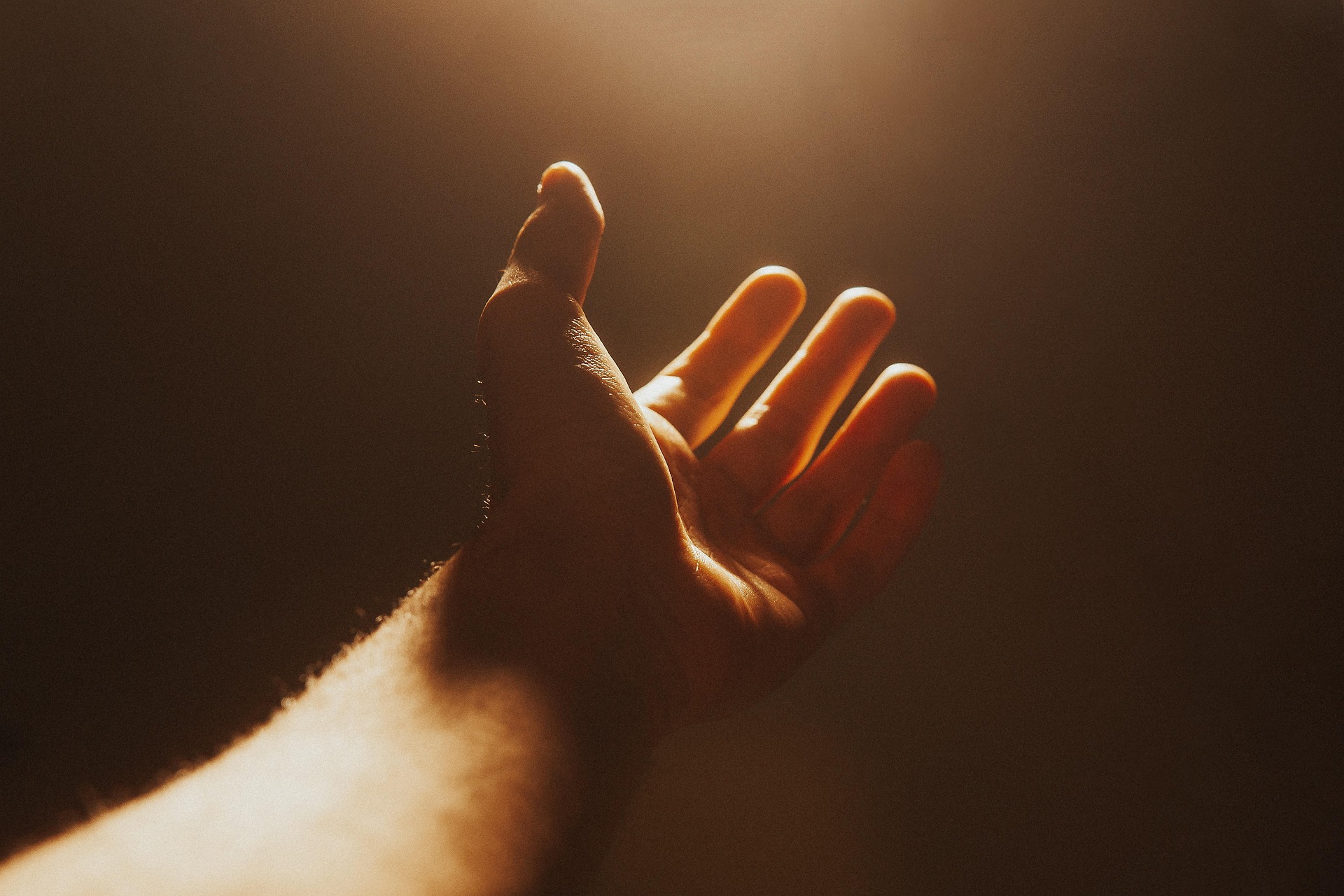
Let me tell you something honestly — just because you don’t see the battle doesn’t mean it isn’t happening.
There are fights that happen behind closed doors, behind steady voices, behind normal routines. There are mornings where getting out of bed isn’t just about being tired — it’s about pushing through fear. There are days where the body feels unpredictable, where the mind feels heavy, where energy disappears without warning. And yet, from the outside, it might look like everything is fine.
That’s the strange thing about invisible battles. They don’t announce themselves. They don’t always leave visible scars. They don’t always come with explanations that fit neatly into conversations. Sometimes they show up as hesitation before walking into a crowded room. Sometimes they show up as quiet calculations — What if something happens? What if I lose control? What if today is one of those days?
You learn to function anyway.
You learn how to steady yourself when your confidence wobbles. You learn how to carry on conversations while monitoring your body. You learn how to laugh while quietly assessing whether you’re safe, whether you’re okay, whether you need to leave. You become strong in ways no one applauds because no one sees the effort it takes just to appear normal.
And here’s the part most people don’t understand — it’s exhausting.
Not weak. Not dramatic. Exhausting.
Fighting something people can’t see requires a different kind of resilience. When someone breaks a bone, the cast proves the injury. When someone is visibly ill, the sympathy comes more easily. But when the battle is neurological, emotional, internal — when it’s seizures, anxiety, chronic fatigue, trauma triggers — you often become your own proof. You become your own advocate. You become the one who has to say, This is real. Even if you don’t understand it.
There are days when the frustration builds. Days when you wish you could hand someone your experience for just twenty-four hours so they could feel the unpredictability, the recovery time, the mental strain. Not for pity. Just for understanding. Because understanding softens judgment. And judgment can cut deeper than the condition itself.
But here’s what matters most.
I may fight battles others can’t see, but I will never surrender to them.
That doesn’t mean I win every day. It doesn’t mean I don’t get scared. It doesn’t mean I don’t get frustrated, tired, or even angry at the unfairness of it all. It means I refuse to let what challenges me define the limit of who I can become.
Surrender isn’t always dramatic. Sometimes surrender looks like shrinking your dreams because they feel inconvenient. Sometimes it looks like avoiding opportunities because you’re afraid of what might happen. Sometimes it looks like convincing yourself you’re “less than” because your path looks different.
I’ve had those thoughts. I’ve had moments where I questioned whether pushing forward was worth the energy it requires. I’ve had moments where I wondered if living cautiously would be easier.
But then I realised something important.
If I surrender, the battle wins more than it ever deserved to.
The seizures may happen. The difficult days may come. The setbacks may interrupt plans. But they do not get to take my ambition. They do not get to take my voice. They do not get to take my identity.
Living with invisible battles teaches you discipline in ways comfort never could. It teaches you how to prepare without panicking. How to adapt without collapsing. How to rebuild confidence after it’s been shaken. It forces you to develop mental strength because physically, you don’t always have control.
And maybe that’s the quiet power in all of this.
When you survive what others can’t see, you build resilience that runs deep. You stop measuring yourself against superficial standards. You begin valuing stability, peace, progress — even small progress — in ways others might overlook. You understand gratitude differently because you know what it feels like when things don’t cooperate.
I won’t pretend it’s easy. It’s not. There are lonely parts. There are misunderstood parts. There are days when explaining feels more exhausting than the condition itself. There are times when you want someone to simply say, I believe you.
But even on those days, surrender is not an option.
Because every time I get back up after a setback, I remind myself who is actually in control of my mindset. Every time I show up despite uncertainty, I prove that fear does not own me. Every time I move forward — even slowly — I win something far more important than comfort. I win confidence.
You might not see my battles.
You might not see the recovery time.
You might not see the internal calculations.
You might not see the courage it takes to do ordinary things.
But I see it.
And that’s enough.
I may fight battles others can’t see, but I will never surrender to them. Not quietly. Not slowly. Not accidentally.
Because the battle may shape me — but it will never own me.
No responses yet