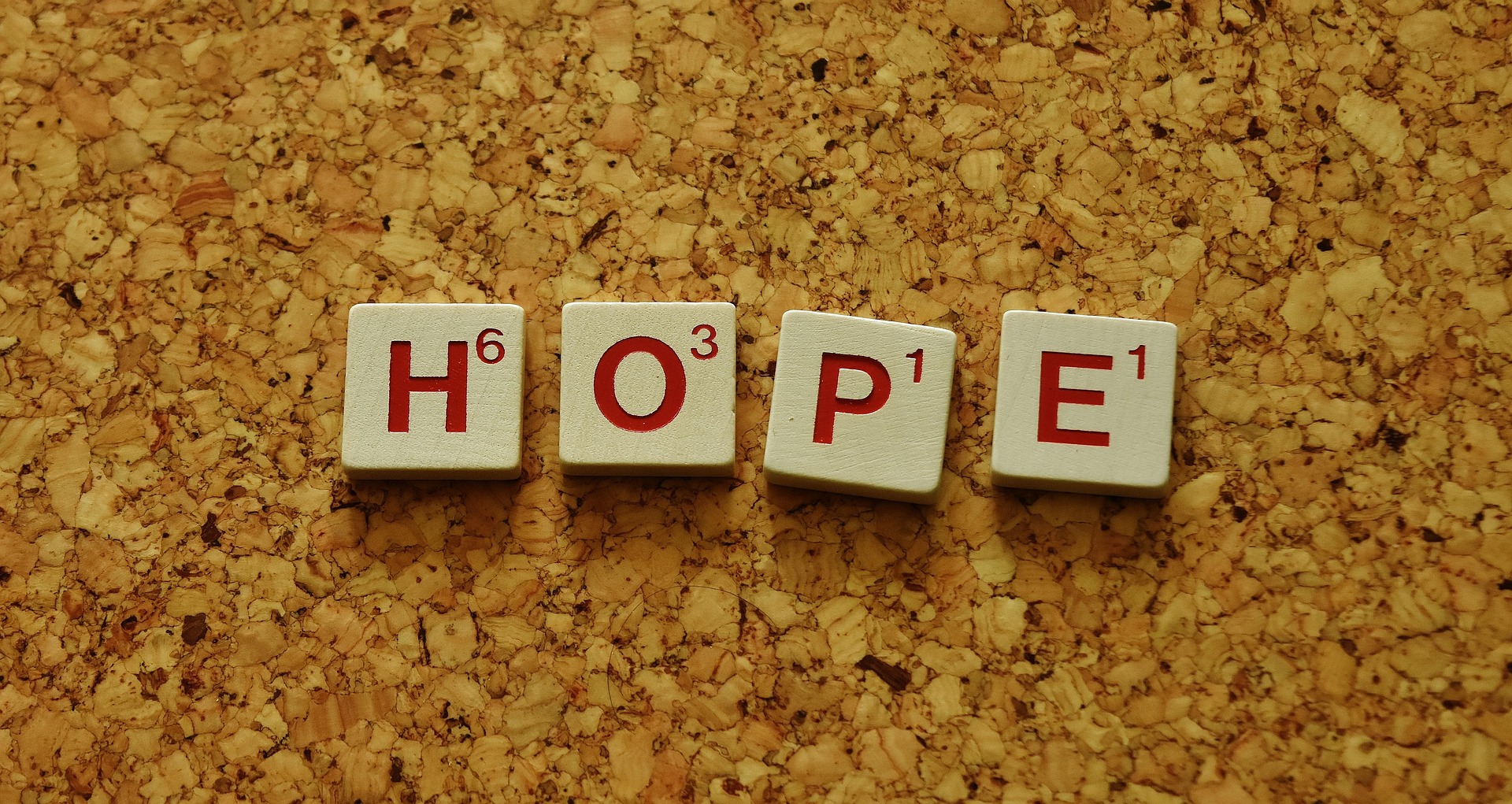
Living with epilepsy has reshaped the way I understand hope. It has taught me that hope is not always loud or dramatic, and it rarely arrives in a single defining moment. Most of the time, hope lives quietly in the background of everyday life, in the decisions we make when no one is watching, and in the strength it takes to keep moving forward when the path feels uncertain. Each day comes with its own set of unknowns, and that unpredictability can be exhausting. There are mornings when I wake up already aware that my body might not cooperate the way I want it to, that plans may have to change, and that the mental effort of simply navigating the day will require more energy than most people ever have to consider. And yet, within that uncertainty, I’ve learned that choosing to keep going—choosing to show up anyway—is a powerful form of hope in itself.
For a long time, I believed hope was something you found after the struggle, as if it waited at the finish line once everything became easier or more manageable. But epilepsy taught me that hope often exists during the struggle, woven into the smallest moments of endurance. Hope is getting through a difficult day and allowing yourself to acknowledge that survival matters. It’s recognizing that rest is not failure, and that slowing down does not mean giving up. It’s celebrating progress that may not look impressive to the outside world but represents enormous effort internally. In a life shaped by unpredictability, these moments become anchors—reminders that strength isn’t measured by how smooth the journey looks, but by the courage it takes to continue walking it.
The daily grind can wear you down in ways that are difficult to explain. It’s not just the physical toll of managing epilepsy, but the mental and emotional weight of always being aware, always preparing, always adapting. There are days when motivation feels distant and frustration feels overwhelming, when it seems easier to withdraw than to push forward. In those moments, I’ve learned the importance of giving myself grace. I’ve learned that hope does not demand constant positivity or endless energy. Sometimes hope looks like acceptance. Sometimes it looks like resilience in stillness. Sometimes it’s the quiet decision to try again tomorrow, even if today didn’t go as planned. These lessons didn’t come easily, but they have shaped me into someone who understands that perseverance is often quiet and deeply personal.
As I grew into my role as a motivational speaker, I realized how many people live inside their own version of the daily grind. So many individuals carry invisible challenges, pushing through routines that feel overwhelming while the world expects consistency, productivity, and strength without pause. I speak because I want people to know that they are not alone in that exhaustion. I want them to hear that progress does not have to be dramatic to be meaningful, and that showing up—especially on hard days—is a form of success that deserves recognition. My story is not about conquering epilepsy or pretending the journey is easy; it’s about learning to live fully within reality, to find purpose even in limitation, and to build hope from the ground up, one day at a time.
Hope, I’ve learned, is not about denying difficulty or waiting for life to become predictable. It’s about choosing belief in the middle of uncertainty. It’s about trusting that your effort matters, even when results are slow or invisible. It’s about understanding that your value is not determined by how much you can do, but by who you are and the strength it takes to keep going when life demands more from you than feels fair. The daily grind may not always offer clarity or comfort, but it offers opportunity—the opportunity to grow, to adapt, and to discover resilience you never knew you had.
If you are living in the middle of your own daily grind, I want you to know that what you are doing matters more than you realize. Every moment you choose persistence over surrender, compassion over self-criticism, and hope over despair, you are shaping a future built on strength and authenticity. You do not need to rush your journey or compare it to anyone else’s. Life with epilepsy has taught me that progress is personal, strength is quiet, and hope is something you build, not something you wait for. And even on the hardest days, when the road feels endless and the weight feels heavy, hope is still there—steady, patient, and powerful enough to carry you forward.
No responses yet